The cost of AI Over-Gloss
Todd M. Gureckis · · 1 minute to readEveryone's talking about AI slop, the lazy, obviously machine-generated filler flooding the internet. But there's another trend I see emerging in academic work I'm naming:
AI Over-Gloss
AI over-gloss is work that's human generated but AI polished to a point beyond the historical norm for scientific work.
AI over-gloss is different than slop. It isn't lazy, or subtly wrong. It's instead the product of AI lowering the cost of producing minor details in academic work.
In the recent past, an author would have to carefully consider whether to create a table or analysis due to the time and effort. When the same choice just takes a few seconds, it's hard to resist. The pressure for rigor and covering all bases in scientific work puts wind in the sails of AI over-glossing.
The signatures of AI over-gloss are papers that feel overwritten. Analysis sections that are dense and exhaustive. Figures that are too numerous, complex, and detailed. It's the paper with a 60-page appendix full of supplementary analyses. The conference talk where every slide looks like it was made in collaboration with a professional illustrator.

This results in a kind of uncanny valley where the work is good. Almost too good. It might even be admirable in terms of quality and rigor. However, it's also hard to read and understand, almost leaning towards technical documentation rather than scientific writing. Scientific papers are not meant to be machine readable data dumps but human scale reports that communicate ideas.
I've been reading several older papers lately from the typewriter era of academic publishing. The sentences are notably shorter. The figures are sparse. Analyses are direct and non-exhaustive. Not because those researchers were lazy, but because every figure or choice involved real tradeoffs. Every sentence you kept meant retyping a page. A retired colleague of mine once described the effort that went into creating a single scatter plot which was done by hand on graph paper.
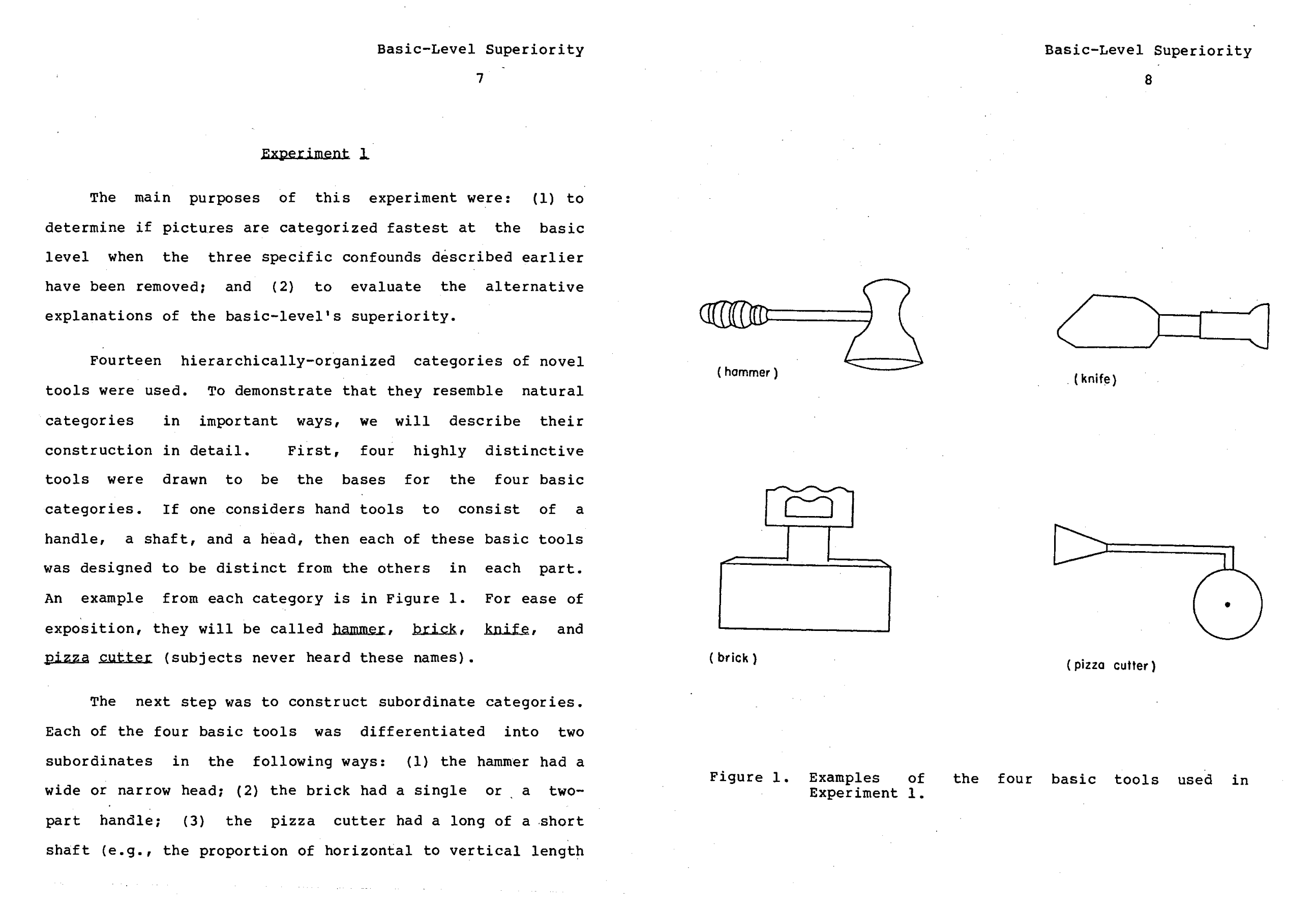
These constraints weren't always negative. They were a form of considered curation that worked to the benefit of readers. In their absence, we have a new kind of work, which I think is sometimes hostile to understanding, reading, and enjoyment.
When writing is expensive, you only include what matters. AI makes production free. Reading still costs.